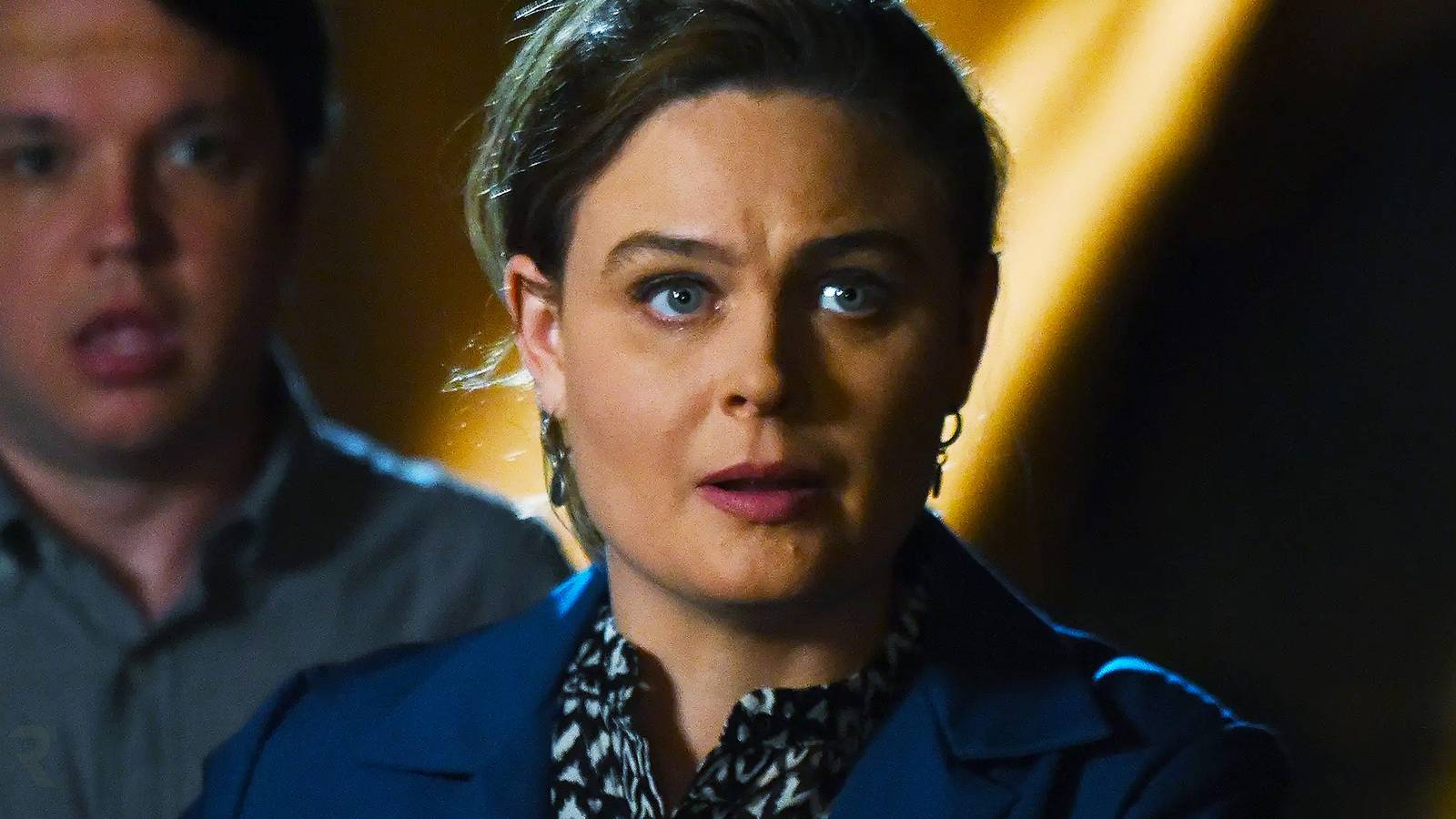
The Enduring Debate: Bones vs. Castle – A Deep Dive into Character and Romance
For over a decade, two titans of the crime-procedural genre ignited a passionate debate among television viewers: Bones and Castle. Both shows captured audiences with their unique blend of mystery, humor, and an undeniable "will-they-won't-they" dynamic between their leads. While sharing superficial similarities – a brilliant civilian assisting a street-smart cop – the fan bases often found themselves in a friendly, yet fierce, rivalry. The core of this enduring discussion often boils down to two critical elements: the perceived depth of their characters and the authenticity of their central romantic pairings.
Many viewers, having watched both, developed strong opinions. Some gravitated towards Bones, praising its character development and the genuine feel of its central relationship. Others were captivated by Castle's charm and the classic romantic tension it expertly cultivated. This article aims to unpack these perspectives, exploring what made Bones vs. Castle such a compelling comparison, particularly concerning the intricate layers of their protagonists and the sincerity of their on-screen love stories.
Unpacking Character Depth: Layers of Personality and Purpose
When evaluating the characters in both Bones and Castle, the concept of "depth" often emerges as a key differentiator. It's not just about complexity, but about the believability of their struggles, growth, and internal worlds.
Temperance Brennan and Seeley Booth: A Symphony of Contrasts
On Bones, Dr. Temperance Brennan (Emily Deschanel) is a forensic anthropologist of unparalleled intellect, often dubbed "Bones" by her partner, FBI Special Agent Seeley Booth (David Boreanaz). Brennan's depth stems from her profound scientific rationalism clashing with a deeply suppressed emotional core, a result of a traumatic childhood. Her journey involves slowly, painstakingly learning to connect with humanity, to understand emotions, and to process grief, not just scientifically but personally.
Booth, on the other hand, embodies intuition, faith, and a grounded, blue-collar sensibility. A former Army Ranger sniper, his past is fraught with trauma and moral complexities that inform his strong sense of justice and his sometimes-grumpy exterior. His struggles with gambling, his Catholic faith, and his protective instincts add significant layers to his character. The constant interplay between Brennan's logic and Booth's gut feelings isn't just a procedural device; it's a dynamic that forces both characters to confront their own limitations and expand their understanding of the world, fostering genuine personal growth. Their individual arcs, often independent yet intertwined, provided a rich tapestry of human experience.
Richard Castle and Kate Beckett: Charisma and Convention
Castle introduces Richard Castle (Nathan Fillion), a best-selling mystery novelist, and Detective Kate Beckett (Stana Katic), a sharp, no-nonsense NYPD homicide detective. Castle's character depth largely revolves around his playful wit, charm, and underlying desire for something more meaningful than his celebrity lifestyle. He's often depicted as a man-child with a brilliant mind, seeking inspiration and adventure.
Beckett, a driven detective, carries the weight of her mother's unsolved murder, which fuels her career and forms the primary emotional core of her character. While her dedication and personal quest are compelling, some viewers found her emotional struggles, particularly surrounding her mother's case, to be a more conventional procedural trope. Castle's primary arc involved maturing and committing to a more serious life, while Beckett's revolved around seeking justice and opening herself up to love. While both characters were undeniably charismatic and engaging, the perception sometimes leaned towards them being archetypes designed for a fun, fast-paced "TV show" rather than deeply introspective individuals grappling with complex existential questions in the same vein as their Bones counterparts.
The Heart of the Show: Genuine TV Couples vs. TV Romance
Perhaps the most fervent point of contention in the bones castle debate centers on the perceived authenticity of their central romantic pairings. What makes a TV couple feel "genuine" versus merely a "TV couple" designed for audience appeal?
Booth and Brennan: A Journey of Authentic Connection
The relationship between Booth and Brennan on Bones is frequently cited as a prime example of a "genuine" TV couple. Their connection blossomed not from immediate romantic sparks, but from an unbreakable partnership forged in the crucible of forensic investigations. For seasons, they were unequivocally partners, sharing a deep respect, an intuitive understanding, and an unwavering loyalty that mimicked a married couple's dynamic long before they crossed the line into romance.
Their eventual romantic union felt earned because it was built on years of shared trauma, mutual support, and profound personal growth facilitated by each other. Brennan learned to trust her emotions through Booth, and Booth learned to appreciate intellectual rigor through Brennan. Their vastly different worldviews created conflict but ultimately strengthened their bond, demonstrating that love isn't always about shared interests, but shared values and complementary strengths. This slow-burn approach, prioritizing partnership and friendship, resonated deeply with viewers who appreciated the organic evolution of their affection.
Castle and Beckett: The Allure of "Will They, Won't They"
Richard Castle and Kate Beckett, affectionately known as "Caskett," exemplify the classic "will they, won't they" dynamic that has been a staple of television romance for decades. Their relationship began with Castle's overt flirtation and Beckett's initial resistance, coupled with her secret admiration for his novels. The sexual tension was palpable from the outset, a core part of their appeal.
Their journey was a thrilling ride of close calls, near misses, and passionate declarations. While incredibly entertaining and successful in garnering a devoted following, some viewers found the "TV couple" label more fitting. The rapid escalation of their romantic interest, combined with dramatic obstacles often tied directly to their case-of-the-week or overarching mystery, sometimes felt more constructed to drive episodic plot points than to organically reflect deep character progression. While their eventual commitment was celebrated by many, the perceived speed and the more overt romantic gestures, for some, lacked the subtle, deep-rooted authenticity that defined the Booth and Brennan relationship. This doesn't diminish their appeal or the joy they brought to millions, but it highlights a different approach to building on-screen romance.
Premise and Storyline: Beyond the Duos
Beyond the personal dynamics, the foundational premises of The Bones vs. Castle Debate also played a role in shaping their characters and relationships. Bones, with its focus on forensic anthropology and intense decomposition, necessitated a deeper dive into scientific methods and the "why" behind their involvement. This often led to storylines that explored complex ethical dilemmas and scientific puzzles, providing ample ground for its characters to develop intellectually and emotionally.
Castle, initially pitched as a "gender-reversed Bones," started with the seemingly temporary premise of a writer "researching" a detective. While the show successfully navigated this by making Castle an integral part of the team, the core concept arguably lent itself to a more conventional, albeit charming, procedural structure. The emphasis was often on the fun banter and solving the mystery, which sometimes meant the deeper character dives or the slow, organic growth of relationships took a backseat to the more immediate "case-of-the-week" and romantic tension.
The Impact on Viewers: Why This Debate Matters
The ongoing debate over bones castle isn't just about preferring one show over another; it speaks to what viewers value in their entertainment. For those who prioritize gradual character arcs, emotional realism, and relationships built on profound partnership, Bones often resonates more deeply. For those who enjoy charismatic leads, witty banter, and a more traditional, exciting romantic build-up within a procedural framework, Castle offers an incredibly satisfying experience.
Ultimately, both shows contributed significantly to the landscape of television procedurals, each offering a unique flavor of crime-solving and romance. Appreciating their individual strengths – Bones for its scientific rigor and profound emotional depth, and Castle for its charming wit and thrilling "will-they-won't-they" – allows fans to enjoy the rich tapestry of stories these series provided.
Conclusion
The bones castle debate highlights a fascinating divergence in storytelling approaches within a similar genre. While Castle charmed audiences with its charismatic leads and classic romantic tension, Bones resonated with many through its intricate character development and a relationship that felt profoundly earned and genuine. Whether one prefers the intellectual sparring and slow-burn authenticity of Booth and Brennan, or the witty repartee and dramatic romance of Castle and Beckett, both shows left an indelible mark on television, proving that there's more than one way to capture the hearts and minds of viewers in the realm of crime and passion.