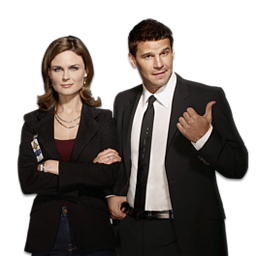
The Bones vs. Castle Debate: Which Crime-Solving Duo Truly Won?
For years, the primetime television landscape was dominated by a fascinating subgenre: the "will they, won't they" crime procedural, often centered around an unconventional pairing. Among the most popular and fiercely debated were Fox's
Bones and ABC's
Castle. Both shows introduced audiences to an extraordinary civilian professional teaming up with a sharp-witted law enforcement agent, sparking a rivalry among fans that continues to this day. Was it the scientific brilliance of Dr. Temperance Brennan and the grounded intuition of FBI Agent Seeley Booth, or the charming playboy novelist Richard Castle and the formidable Detective Kate Beckett who truly captivated hearts and minds? This deep dive into the
bones castle debate aims to unpack what made each duo so compelling and which series, in the grand scheme of TV history, might have edged out the competition.
The Premise: Setting the Stage for Crime
When
Castle first hit the airwaves, many viewers, having been familiar with
Bones, couldn't help but notice the striking similarities in their core concepts. The idea of a civilian author collaborating with a police officer felt, to some, like a gender-reversed echo of its predecessor. However, delve deeper, and the foundational elements of each show reveal distinct strengths and a fascinating difference in execution.
Bones introduced us to Dr. Temperance "Bones" Brennan, a brilliant forensic anthropologist working at the fictional Jeffersonian Institute (a stand-in for the Smithsonian). Her unique expertise lay in identifying human remains, even those severely decomposed or fragmented, providing crucial clues when traditional methods failed. She partners with FBI Special Agent Seeley Booth, a former Army Ranger whose investigative instincts and understanding of human behavior perfectly complemented Brennan's scientific detachment. Early episodes meticulously established *why* this unlikely duo was called in—typically for cases too complex or gruesome for standard FBI procedure. Brennan, herself an author of forensic thrillers, naturally wove her experiences into her fiction, creating a meta-narrative that grounded her presence in law enforcement. The blend of rigorous science and Booth's intuitive approach provided a dynamic that felt earned and consistently justified.
In contrast,
Castle presented Richard Castle, a bestselling mystery novelist, who found his creative muse waning. Through a chance encounter, facilitated by his friendship with the mayor, he secured permission to shadow NYPD Detective Kate Beckett for research on his next character. The premise was lighter, leaning heavily on Nathan Fillion's undeniable charm and the inherent curiosity of a writer stepping into real-life police work. While entertaining, the initial justification for a civilian's sustained involvement in dangerous police investigations often felt, as some critics noted, a little less robust. The show successfully pivoted from this initial setup, allowing Castle to become an unofficial consultant, but the question of his practical necessity often lingered, relying more on charisma than a specific, indispensable skill set.
While both premises offered compelling starting points,
Bones arguably presented a more organically integrated and scientifically vital reason for its lead duo's collaboration, giving it an edge in foundational plausibility.
Character Dynamics and Depth: Who Felt More Real?
One of the most frequently cited points of distinction in the
bones castle debate centers on the depth and authenticity of their respective characters and relationships. Fans often argued that
Bones offered a richer tapestry of personal growth and intricate backstories.
Temperance Brennan, initially portrayed as socially awkward and hyper-rational, underwent a profound evolution over the series. Her struggle to connect emotionally, her difficult past with her parents, and her gradual opening up to Booth and her "squints" (her lab team) provided a compelling character arc. Seeley Booth, with his military background, strong moral compass, and underlying vulnerabilities, served as the perfect foil. Their clash of worldviews – science versus faith, logic versus intuition – wasn't just plot device; it was the engine of their personal and professional development. The ensemble cast at the Jeffersonian, including the artistic Angela Montenegro, the eccentric Jack Hodgins, the empathetic Dr. Lance Sweets, and the pragmatic Dr. Camille Saroyan, each contributed layers of personality and backstory, making the world of
Bones feel incredibly lived-in and its characters deeply interconnected.
Richard Castle, while undeniably charming and quick-witted, often maintained a more consistent persona throughout his show. His playboy facade, coupled with a genuine affection for his daughter and mother, defined much of his character. Kate Beckett, haunted by her mother's unsolved murder, was a dedicated and formidable detective. Her journey involved confronting her past, seeking justice, and learning to trust both professionally and personally. While these characters had compelling individual traits, some viewers felt that their personal struggles, while impactful, didn't always delve into the same philosophical or psychological depths as those explored in
Bones. The charm offensive often took precedence, making the characters highly engaging, but perhaps not as profoundly transformative over time. For a deeper look into this aspect, consider reading
Bones vs. Castle: Unpacking Character Depth and Genuine TV Couples.
The "Will They, Won't They" Dilemma: Crafting Genuine Romance
The ultimate test for many fans of both shows was the handling of the central romantic relationships. Both
Bones and
Castle were masters of the "will they, won't they" trope, drawing viewers in with palpable chemistry and the promise of romance. Yet, the perception of how "genuine" these couplings felt differed significantly.
Booth and Brennan's relationship was a slow-burn masterpiece. For multiple seasons, their bond remained primarily platonic, evolving from professional respect to profound friendship, characterized by unwavering loyalty and deep emotional support. Their partnership was built on a foundation of mutual admiration, despite their vast differences. When they finally did cross the line into romance and eventually marriage, it felt like an organic and earned progression. Their journey included shared trauma, quiet moments of understanding, and a willingness to challenge each other's core beliefs. The "genuine" feeling stemmed from this prolonged, often subtle, development, mirroring how real relationships often evolve from friendship. Their love story felt less like a pre-determined TV arc and more like the natural culmination of two complex individuals finding their perfect balance.
Castle and Beckett's dynamic was marked by immediate, undeniable flirtation and a playful banter that crackled from their first meeting. Castle's overt admiration for Beckett, coupled with her quiet appreciation for his novels, set the stage for a rapid progression of romantic tension. Their "will they, won't they" was more pronounced and faster-paced, leaning into the classic romantic comedy tropes. While their chemistry was undeniable and their eventual coupling satisfied many fans, some felt that the relationship, especially in its later stages, sometimes adhered more closely to TV relationship archetypes rather than a nuanced exploration of two individuals growing together. The hurdles they faced often felt external (villains, conspiracies) rather than deep-seated internal conflicts, which, for some, made it feel more like a "TV couple" designed for maximum audience engagement.
Storytelling Approaches: Scientific Rigor vs. Traditional Procedural
Beyond characters and romance, the very fabric of how each show constructed its mysteries and overarching narratives played a critical role in their appeal and in the ongoing
bones castle discussion.
Bones distinguished itself with its unwavering commitment to scientific methodology. Each episode was a mini-masterclass in forensic anthropology, pathology, and toxicology. The Jeffersonian lab, with its cutting-edge technology and brilliant "squints," wasn't just a backdrop; it was an active participant in solving crimes. The mysteries often revolved around highly unusual causes of death, requiring Brennan's unique ability to read stories from bones. Beyond the episodic cases,
Bones wove in complex, multi-season arcs involving serial killers (Gormogon, the Gravedigger, Pelant) that added profound depth and personal stakes for the characters. These long-form narratives challenged the team intellectually and emotionally, preventing the show from becoming purely episodic and giving viewers something substantial to invest in over the long haul.
Castle, on the other hand, embraced a more traditional procedural format, infused with Castle's writerly flair and pop culture references. The cases were often intricate but solved through more conventional means: interviewing suspects, following leads, and Castle's often outlandish, yet sometimes surprisingly accurate, theories drawn from his fictional worlds. His "writer's intuition" served as a clever device to offer alternative perspectives to Beckett's grounded police work. While
Castle did feature overarching mysteries, most notably the continuous investigation into Beckett's mother's murder, the series tended to prioritize self-contained, weekly cases, ensuring that casual viewers could jump in at almost any point. The storytelling leaned into entertainment and charm, with less emphasis on the detailed, real-world science that anchored
Bones. For a detailed comparison of their narrative strengths, read
Bones vs. Castle: A Tale of the Tape on Premise and Storyline Strength.
Conclusion: The Enduring Legacy of Two Fan Favorites
The debate over
bones castle is less about declaring an absolute winner and more about appreciating the distinct flavors each show brought to the crime procedural genre.
Bones, with its robust scientific foundation, deeply developed characters, and slow-burn, genuine romance, offered a rich, intellectually stimulating, and emotionally resonant viewing experience. It challenged viewers to engage with complex forensic science while investing in the profound personal journeys of its characters.
Castle, with its undeniable charm, witty banter, and lighthearted approach to crime-solving, provided pure entertainment and a delightful escapism, built on the irresistible chemistry of its leads. Both shows left an indelible mark on television, proving that a compelling partnership, whether driven by science or charm, is the key to unlocking audience devotion. Ultimately, the "winner" might simply be a matter of personal preference, but the legacy of both duos as beloved crime-solving teams remains undeniable.